Spark!
We all need a SPARK to ignite and sustain the fire!
We are constantly bombarded with thoughts, emotions, and external stimulations. The subconscious mind takes in thousands of messages every day, and it’s up to you to guide your focus. When you tune your brain for positivity and success, you’ll begin to notice yourself focusing naturally toward your goals and dreams. Igniting the SPARKS!
Wednesday Wirings
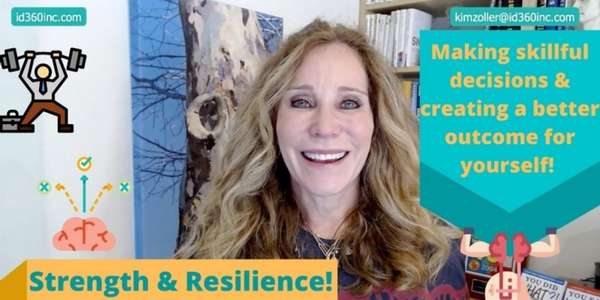
Welcome to Wednesday Wirings! Every Wednesday a short video is posted with specific quick hits on specific to rewire your brain for personal and professional development.

Daily Motivations
Priming our minds with positivity is the key to stay in a growth-oriented mindset!

Keynotes & Other Sparks!
Are you looking for a powerful speaker, facilitator or emcee?
More SPARKS! Read our Blog...
Every week, grow your mind...

Why Neurodiversity Is Every Leader’s Untapped Advantage
What if your next breakthrough idea comes from a brain that works differently than yours?
Too often, organizations see neurodiversity as a challenge to manage instead of an advantage to leverage. Yet research — and real-world experience — continue to show that teams embracing neurodiverse talent are more innovative, empathetic, and adaptive than their peers.
Let’s talk about what that actually looks like — and how we, as leaders, can create environments where every brain thrives.
What “Neurodiversity” Really Means — in Practice
Neurodiversity simply recognizes that brains don’t all operate the same way.
It includes conditions such as ADHD, autism, dyslexia, dyspraxia, and others — but instead of viewing these differences as deficits, it reframes them as natural variations in how people think, learn, and create.
In a workplace context, that means honoring multiple ways of processing information, solving problems, and communicating.
When we do, we unlock perspectives that linear thinking can’t reach.
Why Neuroinclusive Teams Outperform
When organizations support neurodiverse employees, the impact goes beyond inclusion — it directly affects performance. Here’s how:
Innovation through cognitive variety: Teams with neurodiverse members often identify unique solutions. One Harvard Business Review study found they were 30% more productive on creative problem-solving tasks.
Improved focus and pattern recognition: Many neurodivergent individuals excel in identifying inconsistencies or patterns — a superpower for roles in analysis, design, or systems thinking.
Culture of empathy and trust: Inclusive practices signal psychological safety for everyone — not just neurodivergent employees. That trust becomes the foundation for retention and engagement.
The takeaway? Neurodiversity isn’t just a DEI initiative — it’s a business advantage.
How Leaders Can Create Neuroinclusive Workplaces
You don’t need to overhaul your systems to make a big impact. Start small, start human.
1️. Rethink communication.
Use multiple formats — written, visual, verbal — for instructions and feedback. Clarity reduces anxiety and ensures everyone gets the message.
2️. Offer flexibility, not exceptions.
Flexible schedules, quiet workspaces, or clear meeting agendas help everyone perform better, not just neurodivergent employees.
3️. Train your managers to listen differently.
Instead of assuming resistance or disengagement, help leaders ask: “What support or format would help you do your best work?”
That simple question transforms the conversation from compliance to collaboration.
4️. Build systems, not spotlights.
Neuroinclusion isn’t about singling people out — it’s about designing processes that assume difference. Think: accessible documentation, predictable communication, and transparent performance metrics.
The Human Side of Inclusion
I once coached a leader who admitted, “I don’t always understand how to support my team member with ADHD — but I do know she’s brilliant.”
We worked together to redesign meetings and feedback loops to play to her strengths — short bursts of creative work, visual planning tools, and post-meeting summaries.
Within months, her performance — and confidence — skyrocketed.
That’s the shift: from trying to fix difference to valuing it.
Where to Go From Here
If you want to create a truly innovative team, start by asking:
“What would it look like if our workplace worked for every kind of brain?”
Leaders who ask that question — and act on it — don’t just build inclusive cultures.
They build stronger, more human organizations.
Your turn:
How is your organization approaching neurodiversity today?
What’s one change you’ve seen make a difference in supporting different ways of thinking?
Let’s keep this conversation going — because inclusion isn’t a policy, it’s a daily practice.
(Written by Kim — leadership coach and organizational development strategist helping companies grow from the inside out.)

See more!
Click below to check out more of the ID360 blogs and subscribe to stay connected with news and updates!